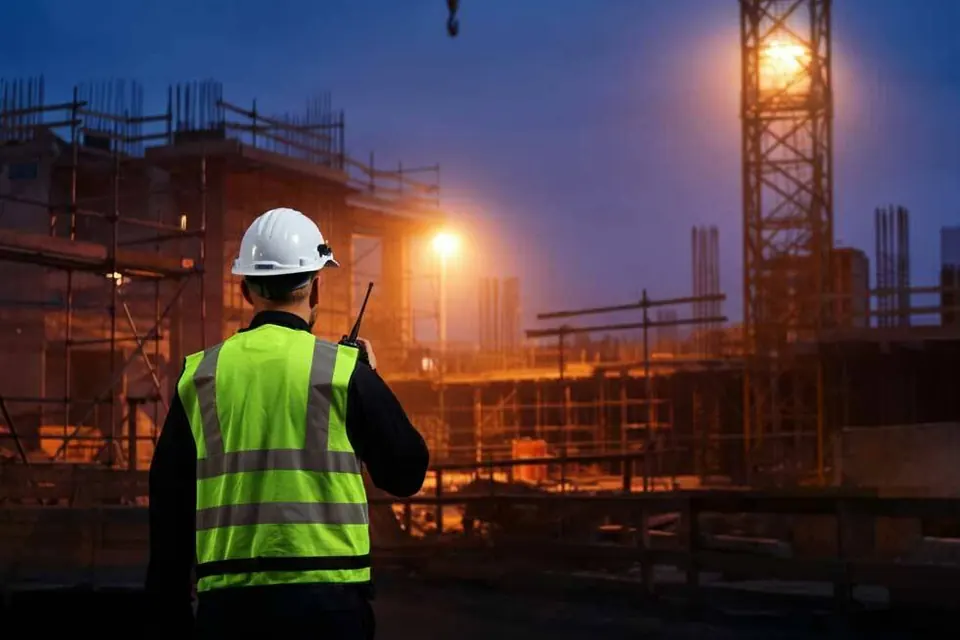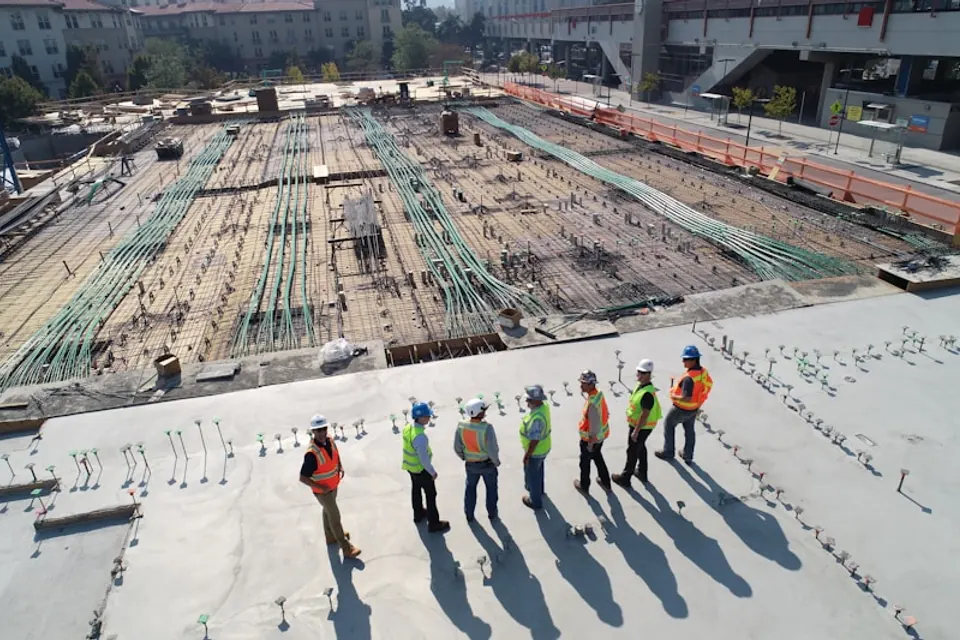
Theft or vandalism on a building site costs more than the price of the missing equipment. It can delay works, disrupt crews, strain relations with the client and lead to insurance claims. In Brussels, building sites take very different forms: refurbishing a building in the city centre, new housing along the canal, converting a former industrial site in Anderlecht, Haren or Neder-Over-Heembeek, fitting out offices in the North district. This guide helps you identify the risks and put proportionate arrangements in place.
Understanding the risks on a building site
Risks vary with the phase of works, but a few constants apply to most sites:
- Theft of materials: metals, cables, finishing materials, sanitaryware, joinery stored before installation.
- Theft of tools and plant: small power tools, generators, fuel, sometimes construction machinery.
- Vandalism: damage, graffiti, deliberate fires in waste or materials.
- Intrusion: curious onlookers, squatters in buildings under renovation, with a risk of accidents for the intruders themselves.
- Uncontrolled access during the day: outsiders mingling with the crews, poorly checked deliveries.
The most vulnerable periods are generally nights, weekends, bank holidays and the construction industry’s shutdown periods, when the site is empty. Fit-out phases, when valuable equipment is delivered and stored on site, also call for extra vigilance.
Start with a site audit
Before deciding on the arrangements, you need to map the site: perimeter and fencing, vehicle and pedestrian access, storage areas, containers, site cabins, lighting and surroundings. Next, identify the most exposed assets and the working hours. This analysis lets you prioritise: it is often more effective to protect a storage area and its access points properly than to try to watch every metre of fencing.
A few simple measures taken by the main contractor make any human security more effective: continuous fencing in good condition, locked containers, valuable stock delivered as close as possible to installation, lighting in sensitive areas, and plant immobilised at the end of the day.
Out-of-hours patrols and guarding
A human presence remains one of the strongest deterrents. There are two main options, which can be combined:
- Patrols: a guard visits the site several times, at varying hours to reduce predictability. They check fencing, access points and containers, and report any anomaly.
- Manned guarding: a guard stays permanently on site during critical periods, for example at night or at weekends, providing continuous monitoring and an immediate response.
The choice depends on the value of the assets, the size of the site, its surroundings and any incidents already recorded. Our guide to manned guarding in Brussels explains the differences between these options in detail.
Controlling access for deliveries and subcontractors
During the day, the risk often comes from within the flow of people: a site hosts many trades, agency workers and couriers, and it becomes hard to know who is entitled to be there. Structured access control brings clarity:
- A clearly identified main entrance, staffed by a guard during working hours.
- A list of authorised companies and individuals, kept up to date with site management.
- A register of visitors and deliveries, with delivery notes checked.
- Checks on equipment leaving the site, in line with the main contractor’s procedures.
This control also supports your obligations regarding site safety and attendance: you know at all times who is on site.
Adapting the arrangements to each phase of the build
A building site is constantly evolving, and security has to keep pace. During demolition and shell and core works, the main concern is often plant, fuel, metals and intrusion into a site that is still open. Once the building is weathertight and fit-out begins, the risks move inside: cables, technical equipment, sanitaryware, finishing materials and tools stored on the upper floors. Towards the end, before handover, an almost finished but still unoccupied building can attract squatters and vandals. Reviewing the arrangements at each key milestone, with site management, avoids paying for unnecessary cover at some stages and being short of it at others. That is precisely the purpose of the regular reviews built into our methodology: adjusting hours, patrols and posts to the reality on the ground.
Dog units: a strong deterrent
On large sites, extensive grounds or sites that have already suffered intrusions, a dog unit (a guard accompanied by a dog) can strengthen deterrence and detection, particularly at night. OWL Security has dog units available for this type of assignment. Their use is also governed by private security regulations: it is a reinforcement decided case by case, depending on the site layout and its surroundings, including how close it is to homes.
Working with existing CCTV and alarms
Many building sites are fitted with temporary cameras or alarms, installed by the main contractor or a specialist provider. OWL Security does not install these systems, but our guards can work alongside them: on-site checks after an alarm, shared procedures with the centre that receives the alerts, and reporting cameras that have been moved or are out of action. People and electronics complement each other: the camera records, the guard checks and acts.
Reports and traceability for your insurer
If a loss occurs, documentation often makes the difference. A professional set-up produces:
- a time-stamped occurrence log of patrols, shift changes and observations;
- detailed incident reports: date, time, findings, action taken, people notified;
- regular reviews with site management to adjust the arrangements to project milestones.
These documents make your dealings with the insurer and the client easier. Check with your insurer in advance whether they have any specific requirements for site crime prevention.
Building sites in a dense urban setting
In Brussels, a building site is rarely isolated. It shares the street with residents, shops, schools and traffic. Security must protect the site without becoming a nuisance: guards who are courteous to neighbours, discreet patrols at night, care around pavements and pedestrian crossings, and coordination with the managers of neighbouring buildings.
Renovation projects in the middle of a residential block, in municipalities such as Saint-Gilles, Ixelles or Schaerbeek, also raise the question of access via roofs, scaffolding and neighbouring gardens. Large redevelopment projects along the canal or in former industrial areas, on the other hand, require cover for extensive perimeters. Legal and practical matters such as occupying the public highway or permitted working hours are the municipality’s responsibility: this is not legal advice, so check with the relevant administration. We operate throughout the Region: see our areas covered, for example Anderlecht.
Starting a new project or experiencing incidents on a live site? Request your free security assessment or call us on +32 2 880 59 19: we will audit your site and propose arrangements tailored to its schedule. Find out more about our construction site security service in Brussels.